What Is The Hiring Process?
Knowing The Process Reduces Stress, Improves Results
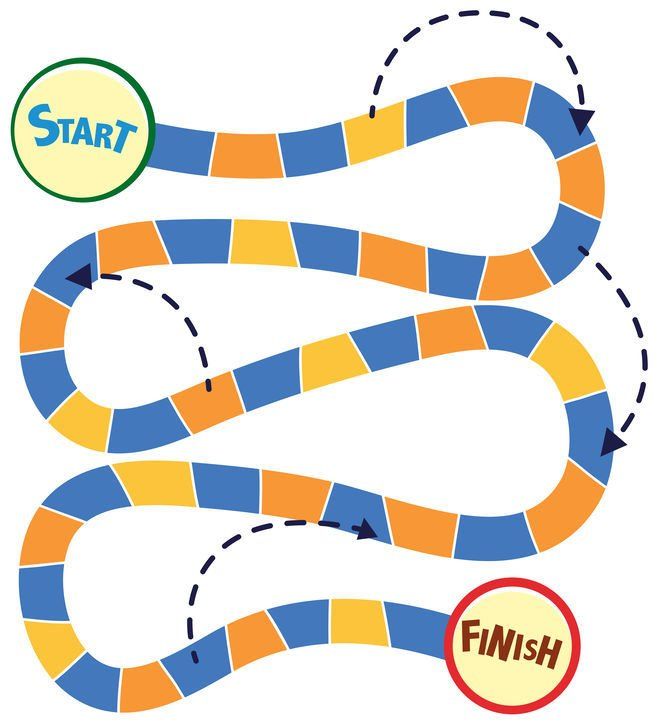
When you've entered the hiring cycle at a company, find out the process--upfront.
This process varies tremendously from company to company and individual hiring manager to hiring manager. Knowing what this process is and how to navigate is what recruiters deal with every day.
If you’re not working with a recruiter, you can figure it out too (with some effort) and improve your chances of getting more and better interviews.
1) understand the company and the people it already has on board.
2) understand something about the hiring manager.
3) see who the hiring manager has hired before.
4) is there now really a job to be filled and what’s the current definition?
5) what’s the best way to introduce yourself to the hiring authority?
6) what information should you provide about yourself (maybe an introductory letter, maybe a tailored resume)
7 STEPS TO GETTING BETTER JOB INTERVIEWS
1) Understand the company and its people.
What is the firm’s business model?
If a firm’s business model is to respond to Requests For Proposal put out by a utility, it’s more likely to need technical sales than true new business, door-knocking sales reps.
If it’s heavily focused on demonstrating its engineering prowess in project design, it will want people with engineering degrees and hard-core engineering experience.
2) What Is The Background of The Hiring Manager (or likely Hiring Manager)?
Does she or he have an engineering background? What schools did they go to? Where did they work before?
3) What kind of people has he/she hired before?
LinkedIn is a great resource for seeing where present managers and staff have come from. Managers do hire in their own image. If the job is a replacement job and the past incumbent had been there a few years(they kept her around), then it’s likely that the next hire will look like her.
Some firms like to hire from select firms like GE, Siemens, ….
See if the description for the job in question matches the existing staff’s background.
4) What’s the current job description?
If the process involves replacing an existing person or someone who’s just left, the chances are good that the job definition is the same.
If it’s a newly created job, the chances are good that “the job definition is a moving target.” As managers seek to fill a newly created position, they learn from the interviewing process what might work, what might not. They also learn what types of candidates are in the marketplace.
Sometimes, even Human Resources staff has a hard time keeping up with the manager’s current thinking.
So, find out the latest.
5) What’s the best way to introduce yourself to the hiring authority?
Company size has a lot to do with this. Larger firms try to have all initial contacts come through the Human Resources department. Or, if the contact is made initially with the hiring manager, that manager is generally asked to send the resume to Human Resources so that there is a record of the applicant.
Whenever possible, we recommend direct contact with the hiring manager, even if he/she sends the resume to HR. If you’re using a recruiter to approach the firm, he/she will know the best method of introduction.
The worst way to introduce yourself to a firm is to send your resume to the corporate website. You seldom hear back, and no one takes ownership of your application.
If you don’t approach the hiring manager, try to deal with a specific person in Human Resources. Depending on HR’s staffing levels, you can get a very crisp, professional response.
In talking to the hiring manager, you might even ask if he or she is the supervising manager. You could be talking to the wrong person.
6)What information do you provide about yourself in the initial approach?
The right answer is “as little as possible,” particularly if you don’t have a great deal of information about the process and status of the job that’s open.
Moreover, what if you don’t know if there’s a specific job available but you suspect that there might be a position available.
Ideally, you do what sales training might suggest–“An initial benefit statement” that is relevant to the hiring manager. Even a weak initial benefit statement is better that saying bluntly that you a wonderful potential employee.
An example might be: ” I understand that your firm is seeking new accounts in the commercial & industrial account sector. If this is the case, I have a strong track record of new business generation and would like to talk to someone about what your firm’s sales approach is. It might benefit from my experience.”
(Discussing how best to craft an initial benefit statement that’s likely to be relevant is beyond the scope of this article. Since the Xerox Personal Selling Skills course first introduced this term, there have been many improvements. Check the concept out on the internet.)
7) When do you send a resume?
At some point in the discussion, you will be asked to send a resume. Some important things to consider:
1) is it just an excuse to get you off the phone? Is there a really a job, is the hiring manager really interested in hiring someone soon, how many people are already being interviewed?
2) before you send a resume, you have to get a) more information and b) a commitment from him or her to review your background and talk with you about it in the future. If you get no commitment, you don’t send anything.
Or, you might send a follow-up note citing your general background (with accomplishments relevant to the possible job.) Then you go back and tackle the hiring manager at another time.
What about your LinkedIn profile? Should you refer to it? If it’s very general, has no achievements, has no particular relevance to the job in question—-it’s better not to refer to it. Companies can use it to eliminate you from consideration. How one deals with LinkedIn profiles is another topic too long to discuss here.